
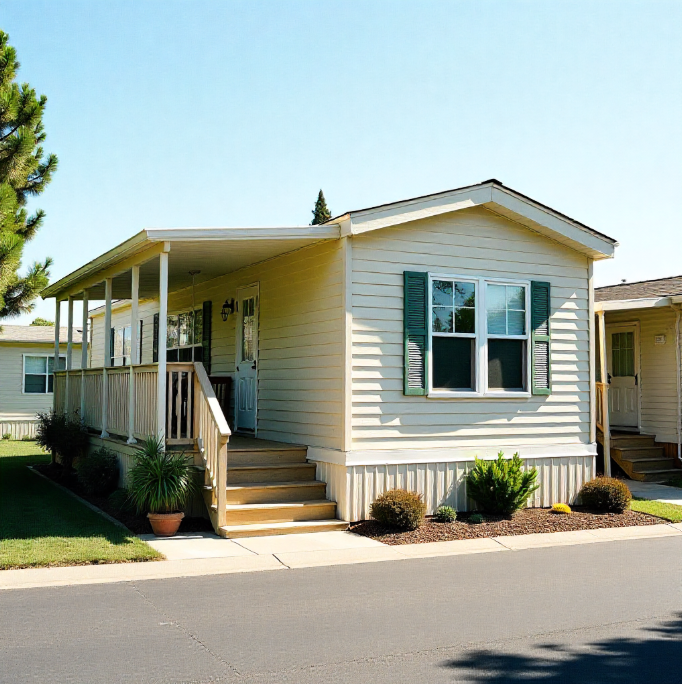
Owning a mobile or manufactured home is a significant investment, and paying attention to its needs will keep it in top shape for years to come. That’s guaranteed. Early detection of minor problems in the house is ensured, allowing one to fix them ASAP and avoid expensive repairs. This way, your investment is protected, and its longevity is certain. Let’s go through a checklist of what general maintenance is required for a mobile home. 1. Regular Roof Maintenance Routine inspection and care of the roof is essential in ensuring the durability of your mobile home. Check for cracks or loose seals every two months to prevent more costly fixes that may occur if they’re overlooked. Trim overhanging branches on the roof and clear the gutter and drainage system. Reseal all flashings and seams at least once a year. These measures prevent water damage. 2. Plumbing System Care Constantly check pipes in the access panel and beneath sinks for leaks or dampness. Worn toilet seals and faucet washers should be replaced. Don’t use destructive drain cleaners as they could harm old pipes. This attention makes the water system of your mobile home dependable for a long time. 3. HVAC Upkeep Regular HVAC maintenance prolongs the life of your mobile home and guarantees year-round comfort. During the busiest times of the year, change the filters once a month. Have a professional inspection done in spring and autumn to clean parts and check refrigerant levels to make sure the system runs safely. This routine care avoids unplanned malfunctions. 4. Electrical System Inspection Scheduled checks on the electrical system of your mobile home are an absolute necessity. Do it every season by visually inspecting the breaker panel and switches for discoloration. Make sure none of your outlets are overburdened by multi-plug adapters for connecting multiple devices. If you’re asking, “are mobile homes high maintenance?” the answer is, “It could be worse if they’re neglected.” 5. Foundation and Structural Checks Every month, walk around the perimeter to check for any new cracks, uneven settling, or spaces between the ground and the base of your mobile home. Make sure there are no signs of substantial rust or corrosion in the piers and supports. If the flooring feels uneven or doors and windows start to stick, have the house re-leveled. Guard against structural and foundation issues with regular inspections or when you feel something’s off. 6. Siding, Skirting, and Weatherproofing The lifetime of your mobile home also depends on regular maintenance of its exterior. Check siding and trim regularly for damage or cracks, and seal any gaps right away to keep moisture and pests out. Make sure the skirting is secure. Lastly, weatherproof the place for energy efficiency and comfort. 7. Interior Maintenance Carry out a routine inspection inside your residence. Check stains on ceilings or soft areas on the floor that could indicate concealed leaks. Make sure that all internal vents are clear to avoid mold or humidity. Tighten loose handles, hinges, or fixtures. Replace flickering or dead bulbs. Regular maintenance of the mobile home’s interior keeps it a highly enjoyable dwelling. Lifelong Home Care And so goes our checklist on what general maintenance is required for a mobile home. It’s imperative that you regularly look inside, outside, at the utility services, and the various conveniences of your residence to guard against what may eventually be major fixes brought about by neglect. If you don’t have the know-how to carry out repairs, call Century Mobile Homes and RV Service Center at 707-445-8411.
Author Archives: c3nturym0b1l3-4dm1n
RV Maintenance Before the Road Trip
Before embarking on a family adventure in your RV to wherever you plan to go next year, the recreational vehicle must undergo a must-do RV preventative maintenance. With such preparation, one can avoid mechanical breakdowns, electrical failures, and other issues. Allow me to create a checklist that will ensure you and your family can focus on the beauty and excitement of the trip. 1. Exterior Inspection Check the tires closely for wear, cracks, and the right pressure. Make sure all the travel lights are functioning, including those for the awning and security. Check for any leaks that may come from the roof vents, skylights, and AC. This guarantees a safer trip and helps avoid inconveniences. 2. Tire Health and Pressure Check Always check your RV tires before leaving. Check the pressure when tires are cold and follow the maker’s suggested PSI that’s found in the manual or on the frame of the entrance. Wear and excessive heat will stem from underinflation. Properly maintained tires are key to fuel economy and avoiding dangerous blowouts. 3. Right Fluid Levels Make sure that the amount of all necessary care fluids is at the right level. Examine the engine oil, coolant, and brake fluid under the hood. These fluids prevent overheating and mechanical issues. Also, don’t forget the windshield washer fluid for a clearer view of the road. 4. Battery and Connections Check the terminals of your RV and engine batteries for corrosion. if necessary, clean them with a baking soda solution. The connections must be secure and tight. Naturally, the battery must be fully charged. A complete battery check ensures that the electrical systems of one’s rolling home are active. 5. Brake System and Lights What kind of maintenance is needed for rv includes checking that the brakes are good, and the stop lights work when one presses on the brake pedal. You might as well confirm that the other external lights (headlights, turn signals, and taillights) are fine. Pay close attention to any strange sounds when stepping on the brakes. 6. Water System and Tanks Ensure there is drinkable water in the freshwater tank. Look for leaks near the water pump and beneath the sinks. If the water system has been stagnant for a while, sanitize it. Lastly, make certain the wastewater tanks are empty, and the valves are working properly. This guarantees adequate sanitation and a clean water supply. 7. Propane System Safety Review For safety, a pre-trip propane system review is critical. Look closely for any indications of corrosion, cracks, or leaks in the tank, lines, and connectors. Applying a soapy water solution to connections is one way to check for leaks (bubbles show a problem). When not in use, close appliance valves. 8. HVAC and Appliance Function Test Test all of your RV’s appliances and HVAC system before you leave. The roof air conditioner and furnace must operate properly. The refrigerator should cool properly with electric and gas power. Everything must run well to ensure comfort and convenience. 9. Interior Safety Walking through the interior of the RV is the last pre-departure check. All drawers and cabinets should be safely latched. Keep loose objects, groceries, and equipment from turning into projectiles during sudden stops by storing them in compartments. Carbon monoxide detectors and fire extinguishers must be working. 10. Emergency Gear and Tool Kit First-aid supplies, flashlight, flares, and basic tools should be part of your kit. Confirm that the jack and related parts are complete and that your spare tire is inflated correctly. Jumper cables and wheel chocks must be there as well. They all allow you to meet typical roadside problems efficiently. Travel Far, Worry Not Keep in mind that a stress-free long trip will rely a great deal on must-do RV preventative maintenance. Go over the checklist we’ve provided, and you can be assured of fewer things to be concerned about when you take the family on an adventure journey during the children’s summer vacation. You won’t have to do it all yourself. We’ll do it for you at Century Mobile Homes and RV Service Center. Call 707-445-8411 for inquiries.
The Complete Guide to Winterizing Your RV Before Spring Adventures
When fall is on its way out and the distinct chill of the incoming season starts to manifest, most RV owners take it as a hint for that annual ritual they have to carry out called winterization. This is a must-do RV preventative maintenance that serves as a critical insurance against expensive damage to one’s recreational vehicle. Here is our Eightfold Path that ensures your home-on-wheels comes out from its deep sleep ready for spring. 1. Inspect and Clean the Exterior Winterizing your RV begins with a thorough exterior inspection. A comprehensive cleaning removes dirt and debris that can trap moisture and cause damage. Ensuring the exterior is spotless is a crucial first step in protecting your vehicle from the harsh winter ahead. 2. Check the Roof and Seals for Leaks An assessment of all seals on the roof for potential leaks is critical. Examine the seams and projections on top for gaps or damage. Carefully inspect the rubber seals around windows, vents, and doors to look for any sign of cracks. Seal any openings to prevent water damage from snow or ice. 3. Drain and Flush the Water System Start by emptying the freshwater tank and water heater. Then, flush the pipes with a non-toxic antifreeze. Make sure the cleansing process runs through every faucet, including the toilet and outdoor shower. This protects the plumbing from damage that may happen during freezing temperatures. 4. Sanitize Gray and Black Water Tanks What is a typical maintenance task for RV? Here’s one of them: empty and clean the recreational vehicle’s containers for wastewater. Begin by draining them completely at a designated dump station. Next, flush the tanks with fresh water to remove all residue. This prevents unpleasant odors and blockages. 5. Disconnect and Store the Battery The RV battery must be removed from its compartment and stored in a dry place indoors. Clean the terminals off any corrosion and connect the battery to a maintenance charger. This procedure keeps it fully charged and prevents it from freezing or losing its ability to hold a charge. 6. Clean and Protect the Interior A thorough interior cleaning is vital for winterizing a recreational vehicle. Sweep out crumbs and take out used linens. Deep clean the refrigerator and all cabinets. Place moisture-absorbing products indoors, like silica gel or activated clay to prevent the growth of mold and mildew. 7. Protect Against Pests Defend the RV from pests seeking safe shelter from the year’s harshest season. Inspect the exterior and seal any cracks or openings around pipes and vents. Inside, remove all foodstuffs that will attract insects and rats. Put peppermint oil or mouse traps in the engine bay and indoors to ensure the RV remains pest-free. 8. Cover and Store the RV Properly The final act of winterizing your RV is to have it properly wrapped and kept. Ideally, the vehicle ought to be stored in a shaded and dry location. Otherwise, a well-fitting cover must be used to protect the exterior from the sun, ice, and debris. Consider using moisture absorbers inside. Parked and Protected By investing time in the must-do RV preventative maintenance we just mentioned, you can rest easy that your home-on-wheels will be fine all winter long. Moreover, when the snow melts and the robins fly back, your RV will be ready for whatever spring adventures you might have in store for the family. If you need us to do the job for you, call Century Mobile Homes and RV Service Center at 707-445-8411.